





Galvanised steel

Contents |
[edit] Introduction
Galvanisation can be used to help prevent steel from corroding. This involves coating steel in zinc. The coating of zinc prevents corrosive substances from reaching the base metal. The zinc also acts as a sacrificial anode, meaning that if the coating is scratched, the remaining zinc will still protect the exposed steel.
The most common method of galvanising steel is hot-dip galvanisation, which involves submerging the steel in a bath of molten zinc.
This form of protection may be insufficient for components exposed to acids such as acid rain, or in a salt environment, such as coastal locations, and for these applications, stainless steel is preferable.
See Stainless steel v galvanised steel for more information.
[edit] Process of galvanisation
The typical process of galvanisation is described below.
[edit] Degreasing
To begin, the steel must be treated and cleaned to remove any scale, rust, oil, paint or other surface contaminants.
[edit] Fluxing
The steel is then immersed in a flux solution. This is usually 30% zinc ammonium chloride with wetting agents, maintained at above 65°C. This helps to prevent further oxidation before the galvanising begins. The steel is then dried.
[edit] Galvanising
The steel is completely immersed in a bath of molten zinc. A uniform coating is produced by the zinc reacting with the steel to form a series of zinc-iron alloy layers. The mass of the steel component being protected will determine the thickness of the layers.
The component is removed from the bath after a period of immersion which varies according to the size and mass. The steel will carry with it an outer layer of molten zinc which solidifies upon cooling to form the outer coating.
Small components such as fasteners can be galvanised by a similar process. They are loaded into perforated cylindrical steel baskets and lowered into the bath. Upon removal, they are rotated at high speeds for 15-20 seconds in a centrifuge which throws off excess zinc and maintains the integrity of the components.
For more, see Galvanising.
[edit] Advantages of galvanised steel
There are several advantages to using galvanised steel:
- It can be more cost-effective than other protective coatings for steel.
- It has good durability and requires little maintenance.
- It has a life expectancy of more than 50 years in rural environments, and 20-25 years in more extreme urban and coastal environments.
- By fully immersing the component in zinc every part is protected, including recesses, sharp corners and inaccessible areas.
- Galvanised coatings are easily assessed by the eye.
[edit] Disadvantages of galvanised steel
Some components may be too large or too small (e.g. small screws and bolts) to be hot-dipped.
The zinc will eventually be corroded; the rate being largely dependent on the thickness of the coating and the environment to which it is exposed.
There is also the risk that the outer zinc layer can scratched, or can peel away if components are cooled too slowly. A very thick coat of zinc can also become brittle and flake off.
[edit] Related articles on Designing Buildings
- Aluminium.
- Cast iron.
- Concrete-steel composite structures.
- Concrete vs. steel.
- Galvanising.
- Major cast metal components.
- Metal fabrication.
- Metal roofing.
- Rust.
- Spangle.
- Stainless steel.
- Stainless steel vs. galvanised steel.
- Structural steelwork.
- Super-strength steel structures.
- Types of metal.
- Types of steel.
- Weathering steel.
Featured articles
Check out some of the best features and news from Designing Buildings as well as key stories from around the web.

Accommodating the Victorian and Edwardian working woman. Book review.
Rethinking passive fire protection in design

PFP demands the same level of design rigour as structure or services.

38% of Gen Zs feel safe when a fire door is wedged open.
Stunning images from around the world
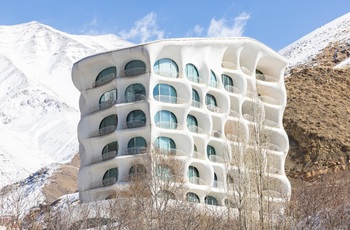
Shortlist for CIOB’s Art of Building photography competition.
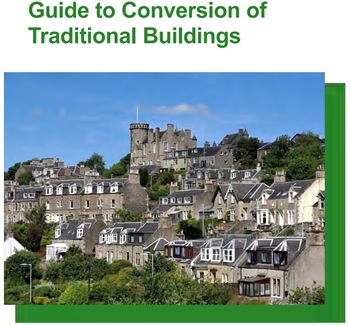
Guidance for conversion of traditional pre-1919 stone buildings.
Industrial heritage in the Ruhr
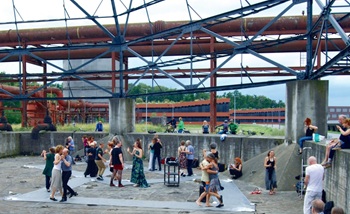
A marked difference to the fate of industrial landscapes in the UK.
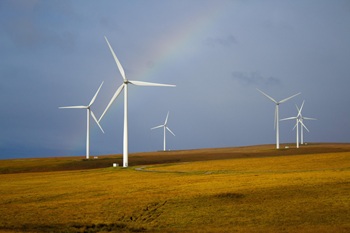
Communities will be able to build their own clean energy.
Why diversity and inclusion matters for SMEs

CIOB’s D&I Charter shows how practical changes can support long-term growth.
Cut electricity bills to power growth

Coalition sends joint letter to the Chancellor.

Gasholders: a history in pictures. Book review.
Recognition, influence and growth

SocEnv identifies three strategic pillars in new strategy to 2045.
Discover the future of roofing, cladding and insulation.